June 2, 2026
Choosing the Right Materials for Commercial Construction Projects
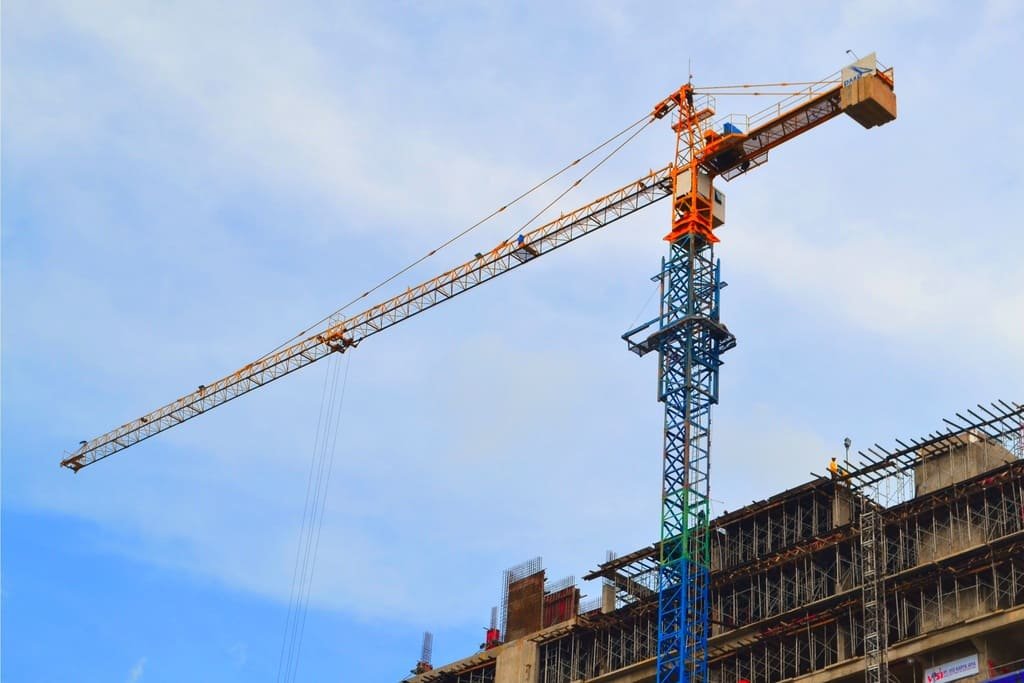
Material selection plays a crucial role in the success of any commercial construction project, as it directly impacts a building’s durability, maintenance needs, energy efficiency, and overall cost. Concrete remains a preferred choice for foundations and structural frameworks due to its strength and versatility, while steel provides exceptional load-bearing capacity and flexibility for large-scale developments. Modern commercial buildings often incorporate glass and aluminum systems to create attractive, energy-efficient facades. Factors such as project requirements, local climate conditions, budget constraints, and sustainability objectives should all be carefully considered during the selection process. By collaborating closely with architects and engineers, construction teams can choose materials that meet both performance standards and design goals, ultimately extending the building’s lifespan and maximizing long-term value.
June 2, 2026
How Technology Is Transforming the Construction Industry
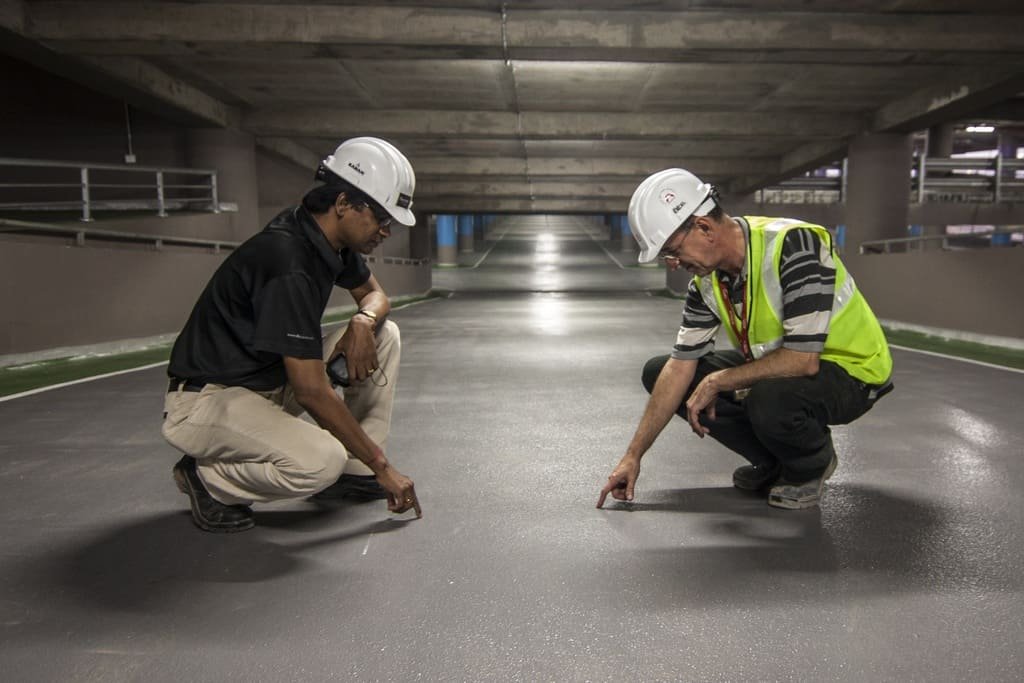
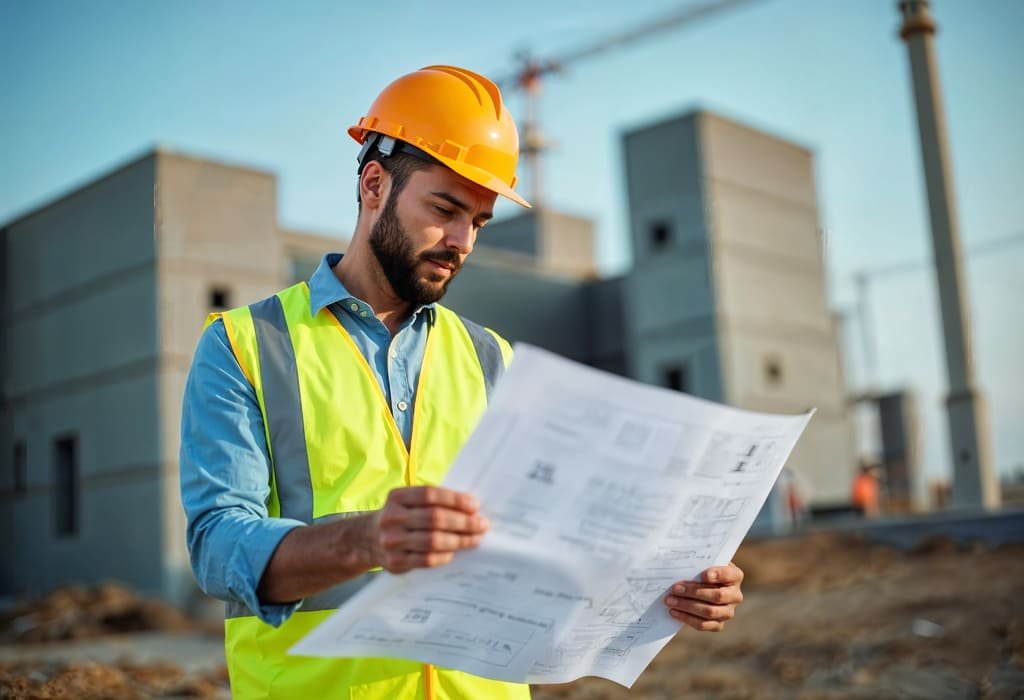
Technology is transforming the construction industry by enhancing efficiency, accuracy, and project management through innovative digital solutions. Tools such as Building Information Modeling (BIM), drone surveys, and AI-powered planning software enable contractors to complete projects faster while minimizing errors. BIM allows teams to visualize and coordinate projects before construction begins, reducing design conflicts and improving collaboration among stakeholders. Drones provide real-time aerial inspections and progress monitoring, helping project managers identify issues quickly. Additionally, cloud-based project management platforms streamline communication, document sharing, and task coordination, improving transparency and reducing delays. By adopting modern construction technologies, companies can optimize operations, meet client expectations more effectively, and maintain a competitive edge in an increasingly digital industry.
June 2, 2026
5 Essential Safety Practices Every Construction Site Should Follow
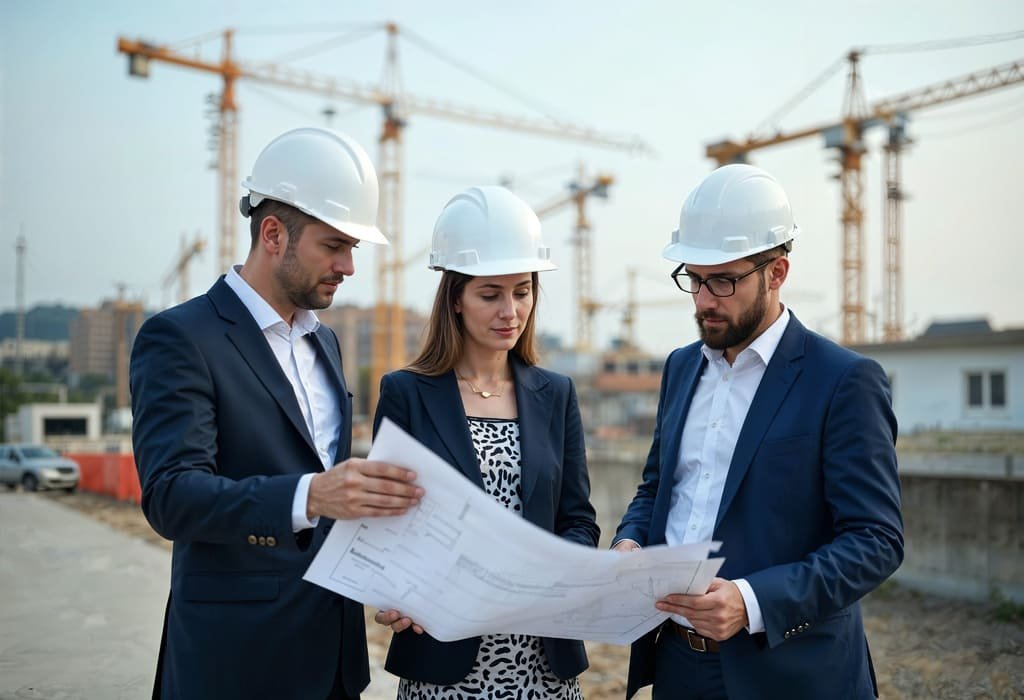
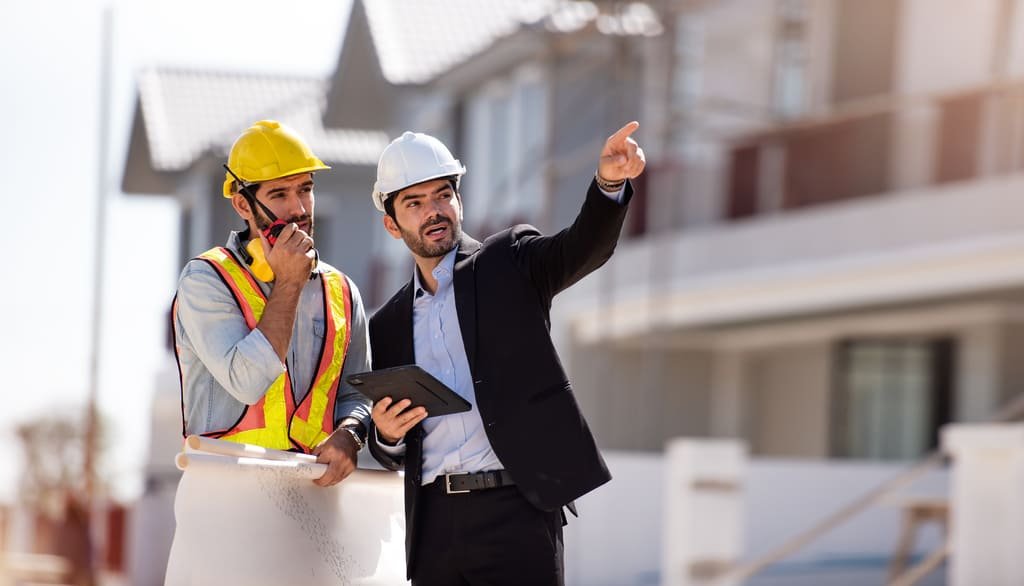
Construction sites are among the most demanding work environments, making safety a critical priority for contractors and project managers. Implementing a strong safety strategy helps protect workers, improve productivity, and ensure successful project outcomes. Essential safety measures include the use of Personal Protective Equipment (PPE) such as helmets, gloves, safety glasses, and high-visibility clothing, along with regular training programs to educate workers about potential hazards and emergency procedures. Frequent site inspections help identify risks like unstable structures, electrical dangers, and unsafe equipment, while proper signage and communication systems keep everyone informed and aware. By maintaining strict safety standards and promoting a culture of responsibility, construction companies can reduce workplace accidents, improve regulatory compliance, and strengthen their reputation for professionalism and reliability.

June 1, 2026
The Future of Sustainable Construction in Modern Cities
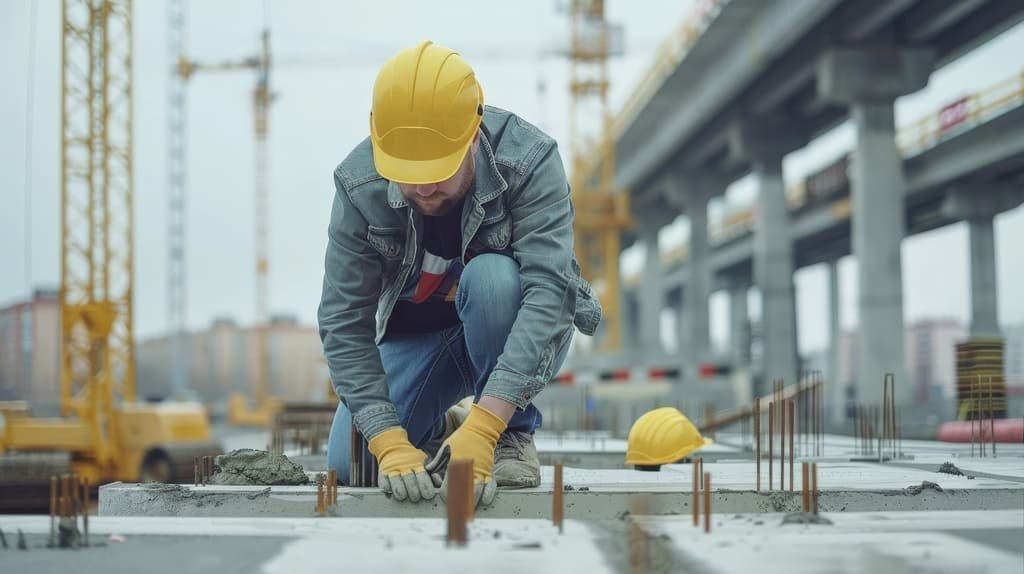
Sustainability has become a key priority in the construction industry as rapidly growing cities demand more environmentally responsible building practices. Sustainable construction focuses on minimizing environmental impact through efficient resource management, renewable energy integration, and the use of eco-friendly materials such as recycled steel, bamboo, and low-carbon concrete. These materials help reduce waste and improve long-term building performance, while technologies like smart energy management systems and solar panels lower operating costs and carbon emissions. With governments introducing stricter environmental regulations, construction companies are increasingly adopting sustainable solutions to remain competitive and attract environmentally conscious clients and investors. As urban development continues to expand, sustainable construction will play a crucial role in creating healthier communities, conserving resources, and building a more sustainable future.