
June 2, 2026
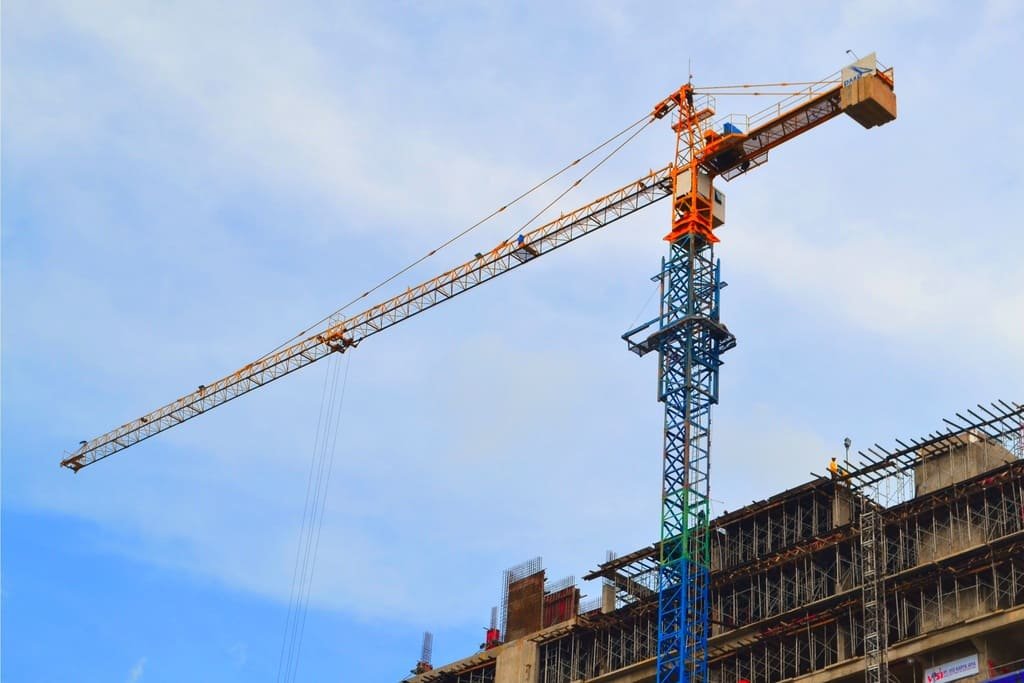
Building Excellence Through Quality Control
Quality control is a critical component of successful construction projects, ensuring that every phase meets design specifications, safety standards, and client expectations. A comprehensive quality management process helps identify potential issues early, maintain consistency, and deliver reliable results throughout the construction lifecycle. Key quality control measures include regular site inspections, material testing, and performance evaluations, all of which help prevent costly rework and ensure that structures are built to perform as intended. Effective documentation and reporting systems provide transparency and accountability, enabling project teams to monitor progress, address deficiencies quickly, and maintain compliance with industry standards. Additionally, ongoing training and adherence to best practices help construction professionals uphold the highest levels of workmanship. By prioritizing quality control, construction companies can improve project outcomes, increase customer satisfaction, and strengthen their reputation for excellence and reliability.
June 2, 2026
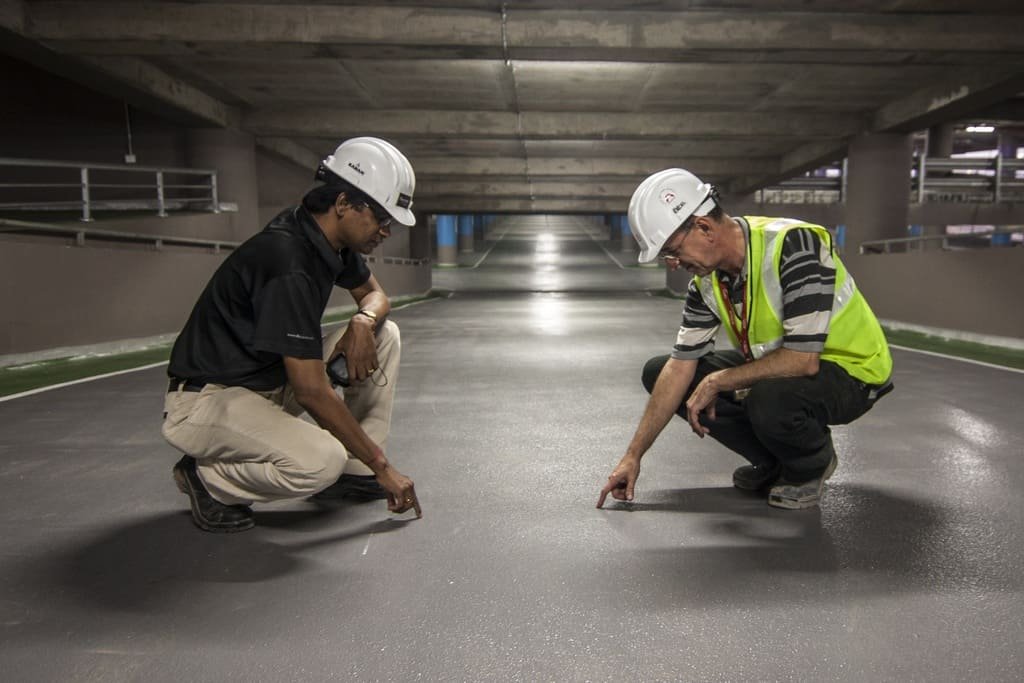
Benefits of Energy-Efficient Building Design
Energy-efficient building design provides significant advantages for property owners, occupants, and the environment by reducing energy consumption and lowering long-term operating costs. Modern construction projects increasingly incorporate sustainable features such as high-performance insulation, energy-efficient windows, LED lighting, and smart climate control systems to enhance overall building performance. Renewable energy solutions, including solar panels and other green technologies, further support sustainability goals while reducing dependence on traditional energy sources. Beyond environmental benefits, energy-efficient buildings often achieve higher property values, attract environmentally conscious tenants and investors, and may qualify for government incentives or certification programs. As sustainability becomes a growing priority across the construction industry, energy-efficient design will continue to play a vital role in creating cost-effective, environmentally responsible, and future-ready buildings.
June 2, 2026
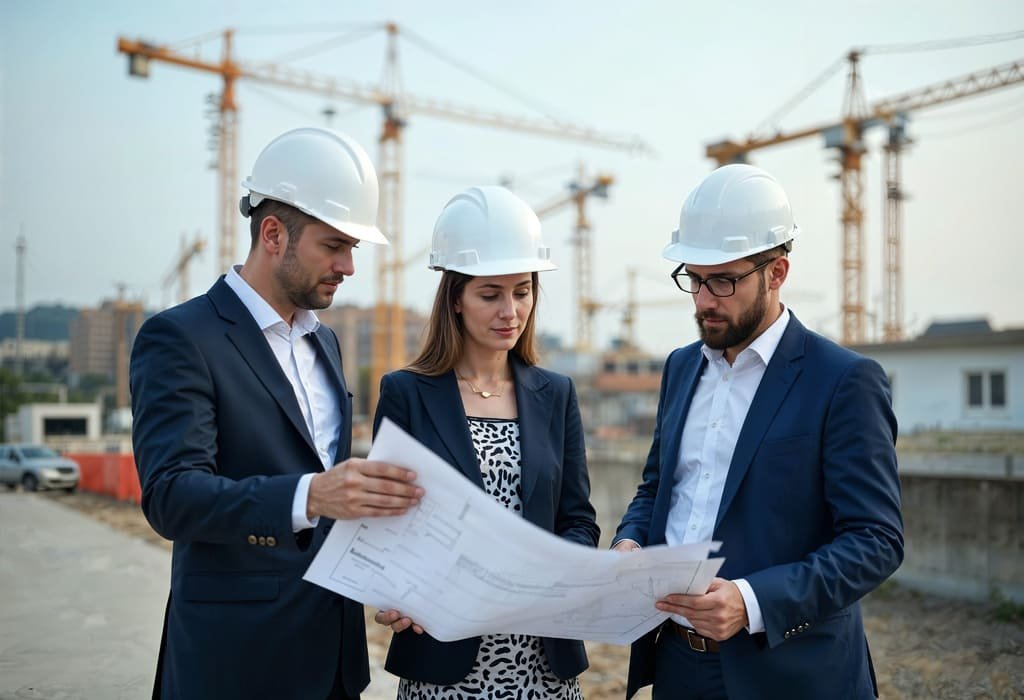
Common Construction Challenges and How to Overcome Them
Construction projects frequently encounter unexpected challenges that can affect budgets, timelines, and overall project success. Common issues include labor shortages, rising material costs, adverse weather conditions, supply chain disruptions, and evolving regulatory requirements. Effective project management starts with identifying potential risks during the planning stage and developing contingency strategies to minimize their impact. Maintaining flexible schedules and allocating resources efficiently can help keep projects on track when unforeseen circumstances arise. Strong communication between project owners, contractors, engineers, and other stakeholders is equally important, as regular updates and progress reviews allow teams to address concerns before they become major obstacles. By combining proactive risk management with modern project management tools and collaborative decision-making, construction companies can overcome challenges, improve efficiency, and successfully deliver projects on time and within budget.
June 2, 2026
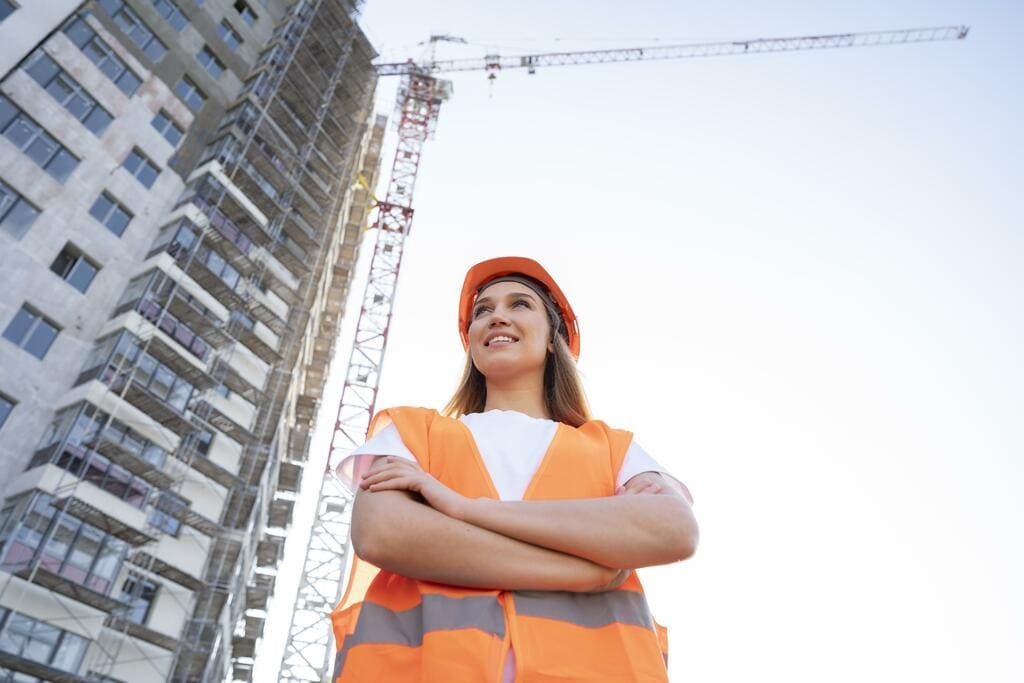
Top Construction Industry Trends Shaping the Future
The construction industry is continuously evolving as emerging technologies and changing market demands transform traditional building practices. One of the most impactful developments is the rise of smart building technologies, which improve energy efficiency, security, and occupant comfort through automated systems and intelligent controls. Modular construction is also becoming increasingly popular, allowing building components to be manufactured off-site and assembled on location, resulting in faster project completion, improved quality control, and reduced waste. Sustainability remains a key priority, with developers adopting renewable energy solutions, recycled materials, and energy-efficient designs to minimize environmental impact. As innovation continues to shape the future of construction, companies that embrace these modern trends will be better positioned to improve performance, meet client expectations, and remain competitive in a rapidly changing industry.

June 2, 2026
Why Pre-Construction Planning Determines Project Success
Every successful construction project starts long before construction begins, making pre-construction planning a vital foundation for success. This phase helps stakeholders define project goals, establish budgets, create realistic timelines, and develop effective risk management strategies. Project teams carefully assess site conditions, environmental factors, regulatory requirements, and available resources to identify potential challenges and ensure smooth execution. Accurate cost estimation for labor, materials, equipment, and contingency expenses allows project owners to make informed financial decisions while minimizing unexpected costs. Additionally, thorough planning improves collaboration and communication among architects, engineers, contractors, and clients, ensuring everyone is aligned from the start. By investing in comprehensive pre-construction planning, construction companies can increase efficiency, reduce risks, and significantly improve the chances of completing projects on time and within budget.
June 2, 2026
The Complete Guide to Residential Home Renovation Planning
Home renovation projects offer an excellent opportunity to transform outdated properties into modern, functional, and comfortable living spaces. Successful renovations begin with careful planning, including setting clear goals, identifying priority areas, and establishing a realistic budget and timeline with the help of experienced contractors. Proper preparation helps minimize unexpected costs and project delays while ensuring smooth execution. Obtaining the necessary permits, selecting high-quality materials, and maintaining open communication throughout the renovation process are also essential for achieving the desired results. Whether you’re remodeling a kitchen, adding living space, or upgrading an entire home, a well-planned renovation strategy is the key to maximizing value, enhancing functionality, and creating a space that meets your long-term needs.